


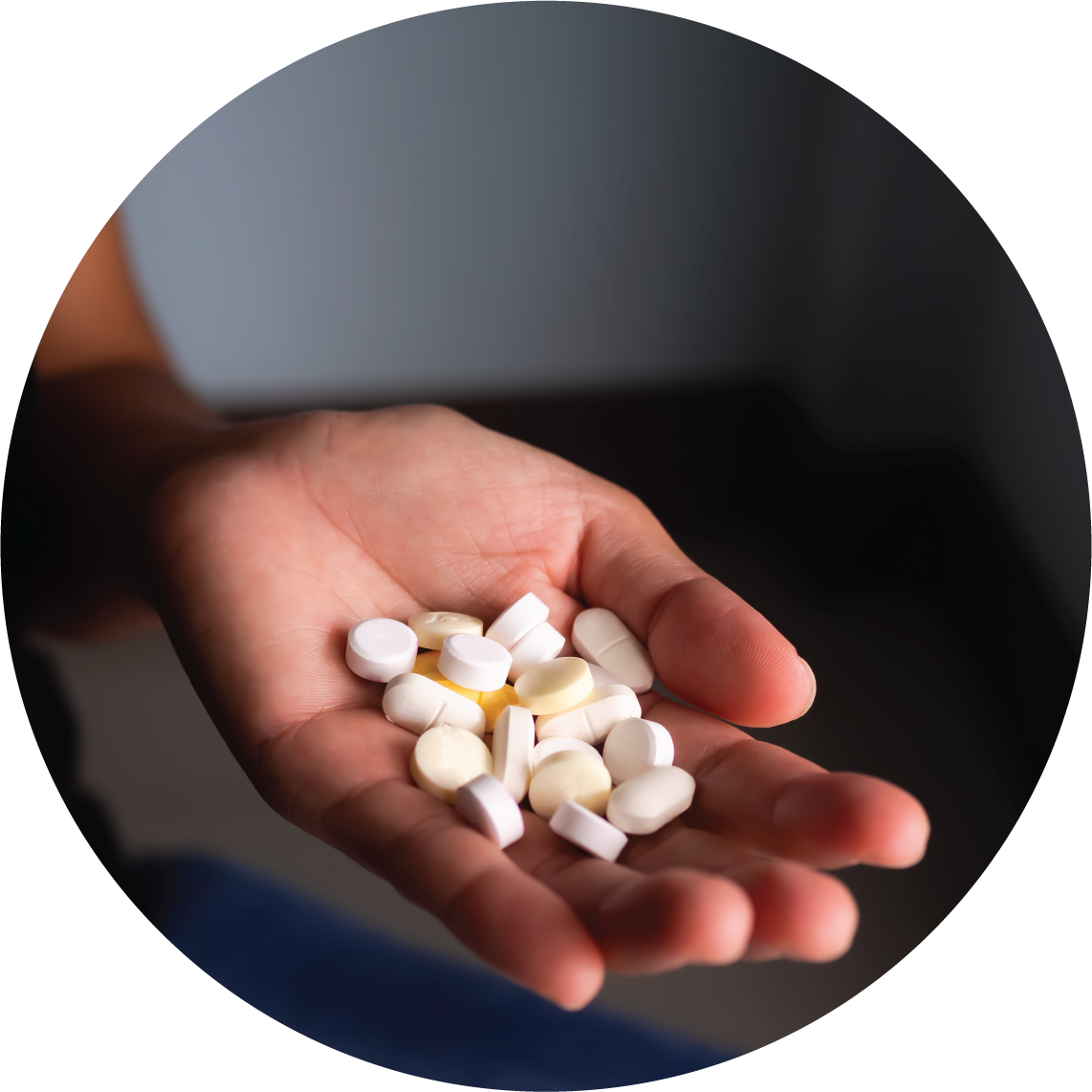
“Will I ever actually get better?” It’s a question that often surfaces in the quiet moments after a relapse, or in the middle of the night when willpower alone hasn’t been enough. For many people living with opioid use disorder, this fear sits underneath every attempt to quit — the worry that recovery might not be possible for them at all.
The honest answer is more hopeful than that fear allows. Decades of clinical research point to real, measurable rates of recovery, particularly when treatment includes medication. This article looks at what the data actually shows, without minimizing how hard the process can be.
Is Recovery from Opioid Addiction Actually Possible?
Yes. Recovery from opioid addiction is possible, and research consistently shows that people can and do recover, especially with the right medical support. It doesn’t require hitting “rock bottom” first, and it isn’t a matter of willpower or moral strength.
Opioid use disorder is a treatable medical condition, and opioid addiction treatment works.
What Actually Improves the Odds of Long-Term Recovery?
Recovery outcomes aren’t left to chance. Research points to a specific set of factors that consistently improve someone’s odds — and most of them are within reach.
Ready to take the next step? Book a confidential consultation with a licensed Aegis Medical provider today.
The Role of Medication-Assisted Treatment (MAT)
Medications like Suboxone work by easing withdrawal symptoms and reducing cravings, which gives the brain and body room to stabilize. This isn’t a substitute for effort — it’s a clinical tool that makes the effort sustainable.
For this reason, MAT is widely recognized as the clinical standard of care for opioid use disorder. It is supported as a first-line treatment, not a last resort, and it’s the approach used by licensed providers to give patients the strongest possible foundation for recovery.
The Role of Counseling and Trauma-Informed Care
Medication addresses the physical side of addiction, but counseling addresses the rest. Research shows that pairing MAT with therapy leads to better long-term outcomes than medication alone.
That’s because opioid use disorder rarely exists on its own. Trauma, anxiety, and other co-occurring conditions often sit underneath it, and treatment that only manages symptoms without addressing root causes tends to be less durable.
The Role of Consistency and Support Systems
Staying engaged with treatment over time — not perfection, but consistency — is one of the strongest predictors of long-term recovery. Showing up, even imperfectly, matters more than getting everything right.
Having supportive people nearby can also help. It is not a requirement for recovery, but people who have even one person in their corner often find the process a little more manageable.
How Long Does Recovery Actually Take?
Early stabilization, when cravings and withdrawal symptoms come under control, typically happens within the first few weeks of treatment. Long-term recovery is a longer arc, often unfolding over months or years.
This is not meant to discourage anyone — it’s meant to set expectations that match reality. Recovery isn’t a finish line to cross once. It’s an ongoing, manageable process, and most people find it becomes easier to sustain over time.
What If I’ve Tried Before and Relapsed?
A previous relapse does NOT mean treatment failed, and it doesn’t mean it won’t work this time. Opioid use disorder is a chronic condition, and relapse is a common feature of chronic conditions generally, not a verdict on someone’s character or effort.
The same is true for diabetes and hypertension, where lapses in management don’t erase the value of ongoing treatment. Returning to care after a setback isn’t starting over. It is a continuation, and it still counts as a step forward.
Does Treatment Have to Happen In Person?
A common assumption is that effective addiction treatment means waiting rooms and in-person clinic visits. That assumption keeps some people from starting treatment at all.
It is not accurate. Virtual MAT through a licensed telehealth provider is clinically supported and, for many people, more sustainable than in-person care. Aegis Medical offers this model directly: confidential, judgment-free treatment with a licensed provider, from home.
Conclusion
Opioid addiction is a medical condition, not a character flaw, and the data shows people recover from it every day. What makes the difference is not willpower — it’s consistent access to the right care: medication, counseling, and support that doesn’t disappear after a setback.
A relapse is not the end of the story. It’s a known part of treating a chronic condition, and returning to treatment afterward still counts as progress.
If any of this sounds like your situation, Aegis Medical offers a confidential way forward: licensed U.S. specialists, judgment-free Suboxone treatment, from wherever you are.


